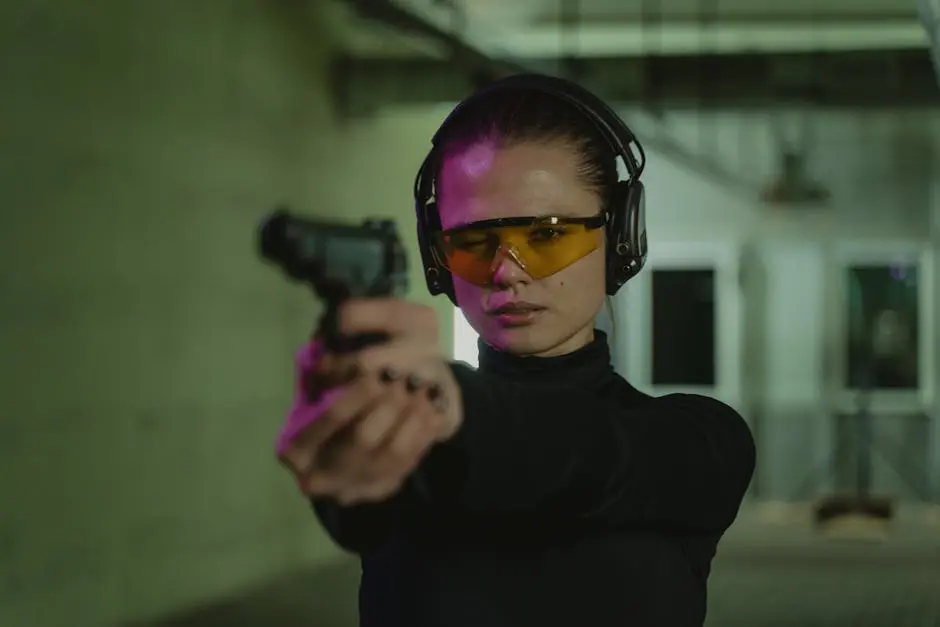
Firearms Training Raleigh: 5 Skills Every Responsible Gun Owner Should Have
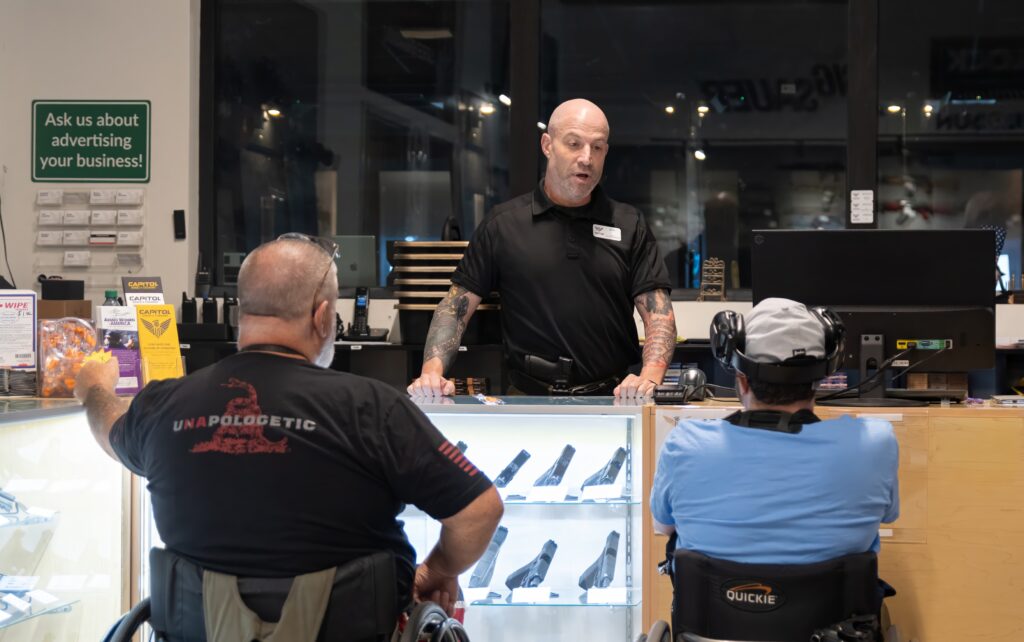
Owning a firearm and knowing how to use it effectively are two different things. North Carolina’s CHP process establishes a baseline, but the gap between “passed the qualification exercise” and “genuinely capable of using a firearm under pressure” is significant, and most responsible gun owners are aware of it.
This post covers the five core skills that firearms instructors in Raleigh consistently identify as the foundation of genuine competence, and how to develop each one through structured practice.
Skill 1: Safe Handling as Reflex, Not Thought
The four fundamental rules of firearm safety, treat every gun as loaded, never point it at anything you’re not willing to destroy, keep your finger off the trigger until sights are on target and decision to shoot is made, be aware of what’s beyond your target, are not guidelines. They’re reflexes that have to become automatic.
New gun owners often know the rules intellectually but haven’t trained them to the level of automatic response. Under the stress of a real defensive encounter, or even under the mild pressure of a new training drill, habits formed under calm conditions are what actually drive behavior.
Training these rules to reflex level requires deliberate repetition, both at the range with live fire and in dry-fire practice at home. Dry-fire practice (with a verified-empty firearm, ammunition removed and stored separately) allows you to practice handling, presentation, and trigger mechanics without range time. Ten minutes of dry-fire per day, done consistently over two to three months, produces more fundamental skill improvement than two range trips per month without it.
Capitol Range’s firearms training in Raleigh incorporates safe handling checks at the start of every course and regularly during range sessions. Instructors catch and correct handling errors before they become habits, which is the purpose of supervised training.
Skill 2: Drawing From Holster to First Shot
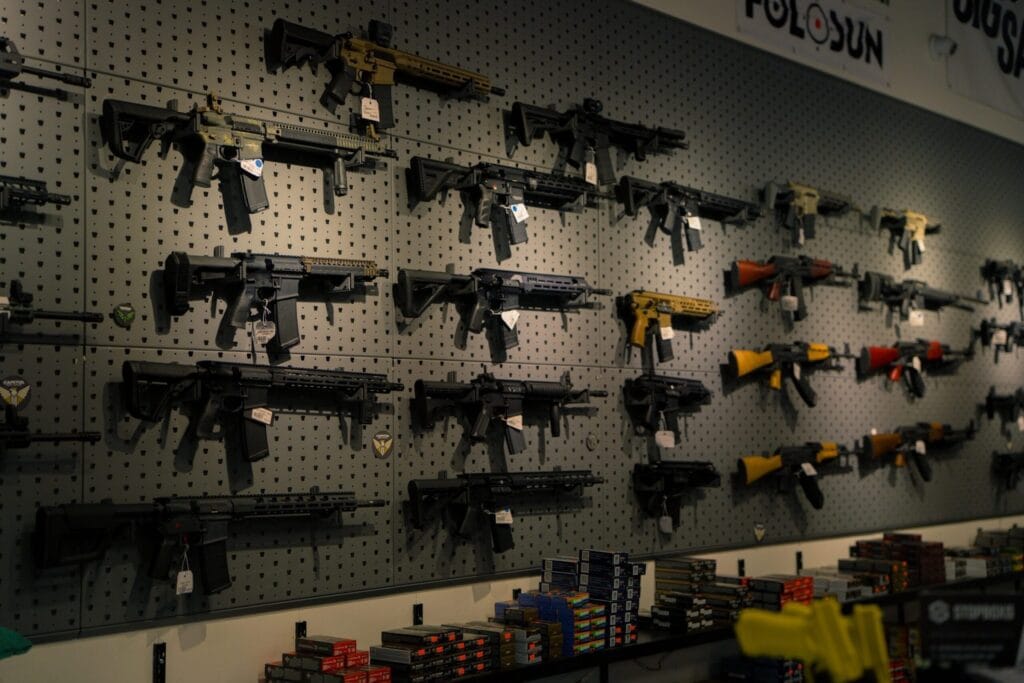
If you carry concealed, the ability to draw your firearm from concealment, achieve a proper grip, and get to an accurate first shot is the skill that matters most in a defensive encounter. The draw is also where most new concealed carriers are weakest.
A proper draw involves a consistent grip acquisition during the draw stroke (not after the gun is out), clearance of the cover garment, keeping the finger off the trigger through the entire draw stroke until the muzzle is pointing at the target, and a smooth press into the shooting position rather than a jerky punch forward.
Consistency is the goal. Reliable draws at 1.5 to 2 seconds from concealment are achievable for most shooters with deliberate practice over several months. Faster times come later, but consistency comes first. A draw that produces an accurate first shot 90% of the time is vastly more valuable than a faster draw that misses 40% of the time.
Capitol Range offers holster draw practice under instructor supervision in their training courses. Practicing draws on your own range without supervision before developing the habit correctly tends to reinforce inconsistencies.
Skill 3: Malfunction Recognition and Clearance
All semi-automatic firearms malfunction eventually. Ammunition fails to fire (dud), cases fail to eject (stovepipe), double feeds occur, and slides fail to go fully into battery. Knowing how to diagnose and clear the most common malfunctions quickly, under pressure, is a skill that responsible gun owners develop before they need it.
The two most common clearance procedures are tap-rack (for failure to fire and most stovepipes: tap the magazine to ensure seating, rack the slide to eject the problem case and chamber a new round) and the two-stroke clearing technique for double feeds. Both should be practiced until they’re smooth.
Instructors at Capitol Range regularly include malfunction drills in training courses. Experiencing a training-induced malfunction and clearing it confidently is a much better way to learn than encountering one for the first time in a live situation.
Skill 4: Shooting Under Stress
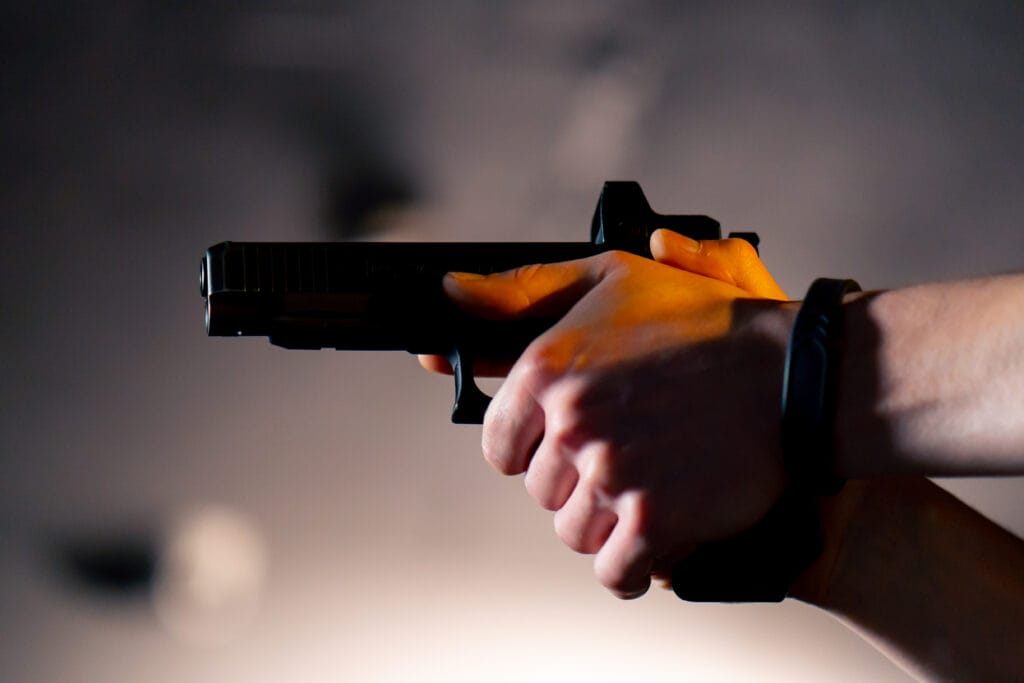
Range shooting under calm, controlled conditions develops marksmanship. It doesn’t directly develop the ability to shoot under the stress of an actual threat.
Training that introduces even mild stress, time pressure from a shot timer, performing a simple cognitive task before a drill, or physically exerting before a shooting exercise, exposes the gap between range performance and real-world performance. Heart rate elevation changes trigger control. Tunnel vision narrows focus on the threat rather than the sights. Gross motor skills dominate over fine motor skills.
Capitol Range’s advanced defensive shooting courses use shot timers, scenario prompts, and movement drills to introduce performance pressure into practice. The goal isn’t to simulate actual threat stress perfectly (that’s not possible in a training environment), but to prepare shooters for the gap between controlled range performance and real-world performance.
Skill 5: Legal and Ethical Decision-Making
The most important decision in any defensive incident isn’t whether you can shoot. It’s whether you should.
North Carolina’s use-of-force laws, particularly NCGS §14-51.3 (defense of person) and §14-51.2 (defense of home/vehicle), define the legal standard for justified use of deadly force. The standard is whether a reasonable person in the same circumstances would believe deadly force was immediately necessary to prevent death or serious bodily harm to themselves or another person.
That’s a legal standard with significant consequences for getting it wrong. The courts review defensive shootings after the fact, under conditions of calm deliberation, with all available information. The shooter made their decision in seconds, under fear and uncertainty.
Understanding the law doesn’t guarantee correct decision-making under stress. But it gives you a framework that matters. Capitol Range’s concealed carry and defensive shooting courses cover these standards in detail, with real-world scenario discussion designed to build practical judgment rather than just legal knowledge.
Building These Skills at Capitol Range
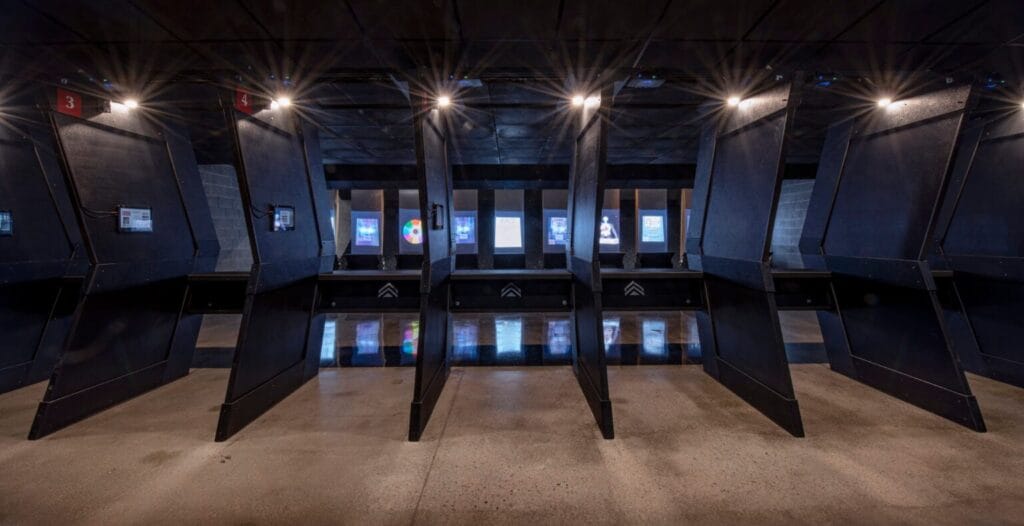
Range time is the foundation, and Capitol Range’s Raleigh facility offers the access, instruction, and community to develop all five of these skills systematically. Membership provides regular range access without per-visit cost barriers. The training calendar offers structured courses for each skill area. And the instructor staff provides the feedback that turns repetition into genuine competence.
Firearms training in Raleigh done at the level these five skills require isn’t a weekend project. It’s an ongoing investment in a capability that matters when conditions are least favorable.
Getting Started With Structured Training at Capitol Range
The most common reason Raleigh gun owners don’t invest in training beyond their initial CHP course is inertia. They know they should practice more. They intend to. The range isn’t inconvenient. There’s just always something else.
Capitol Range’s membership model is designed to reduce that friction. When range access is included in a flat monthly membership rather than requiring a per-visit decision, the behavioral barrier to going disappears. Members who join Capitol Range’s program average significantly more range visits per month than non-members who visit on a pay-per-use basis.
A structured approach to these five skills over six to twelve months produces a level of proficiency that new gun owners rarely develop through casual range visits alone. Start with safe handling and basic marksmanship. Add draw stroke practice under instructor supervision. Work through malfunction recognition and clearance in a training course. Then build the stress inoculation and decision-making skills in Capitol Range’s advanced defensive courses.
The investment is modest. The capability is real. For Raleigh gun owners who take responsible ownership seriously, Capitol Range is where that development happens.